
DTC · Equipment · Retail
A buyer cannot judge build from a white background
Equipment sold online lives or dies on whether someone can tell how big it is, how it is made, and how it sets up. That is a location problem, and most product photography ignores it.
What usually goes wrong
Products look weightless on seamless white
We shoot on location—on the field, in the room—so scale and build read immediately.
Photography arrives in the wrong crops
Because we build the store too, imagery lands in the sizes the templates need the first time.
The catalogue outgrows the site
A storefront under an ongoing care plan: hosting, updates, and monitoring, so growth is not a rebuild.
What you get
- Product frames cut for storefront templates
- Environmental shots for category pages and ads
- A storefront we build, host, and maintain
- Paid campaigns fed by the same library
- Reshoots as the catalogue changes
Programs for this market
Work in this market
Real clients, real deliveries — every card opens the full write-up.
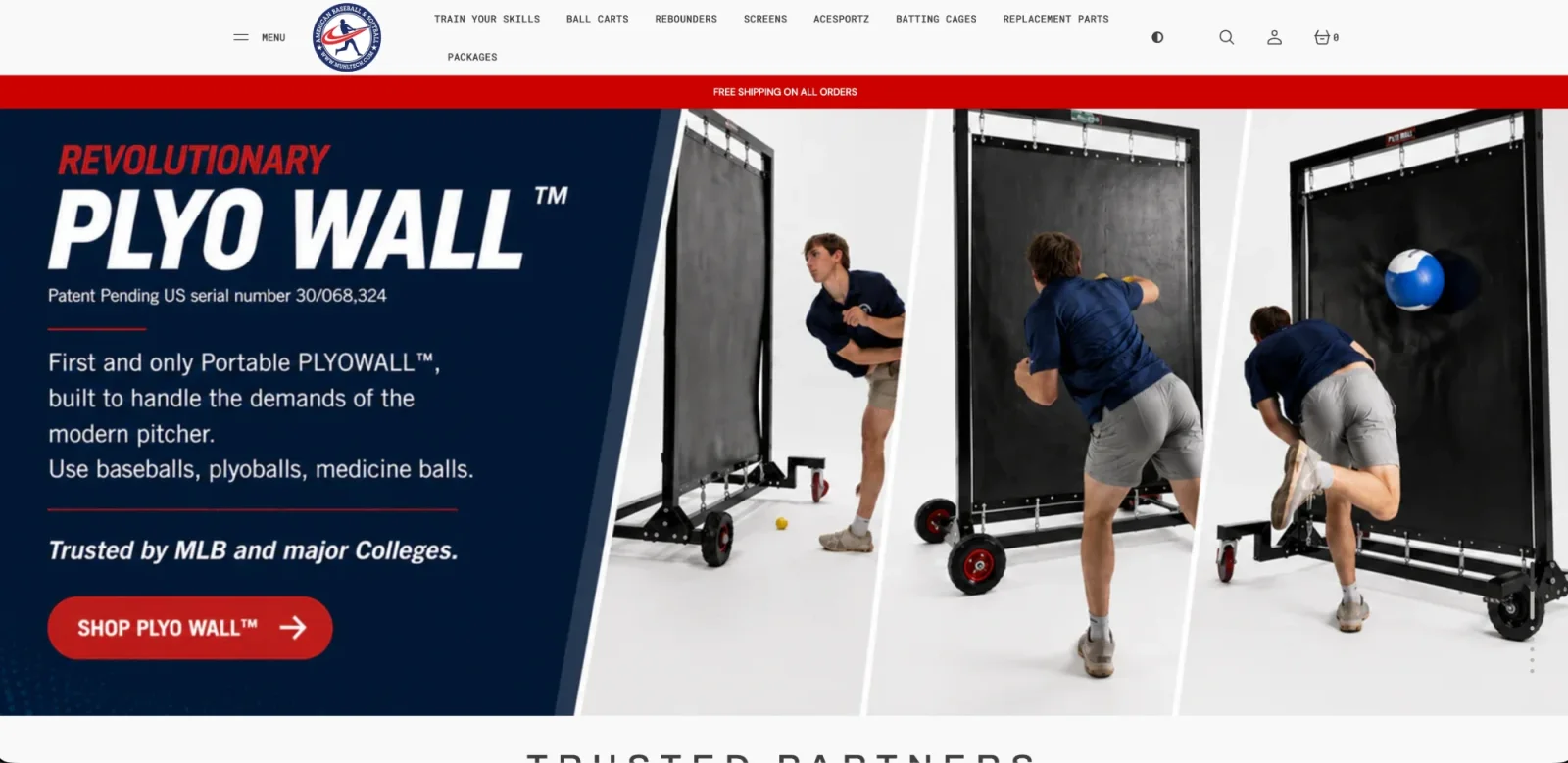
American Baseball & Softball — training equipment storefront
An ecommerce storefront filled with product photography we shoot ourselves.
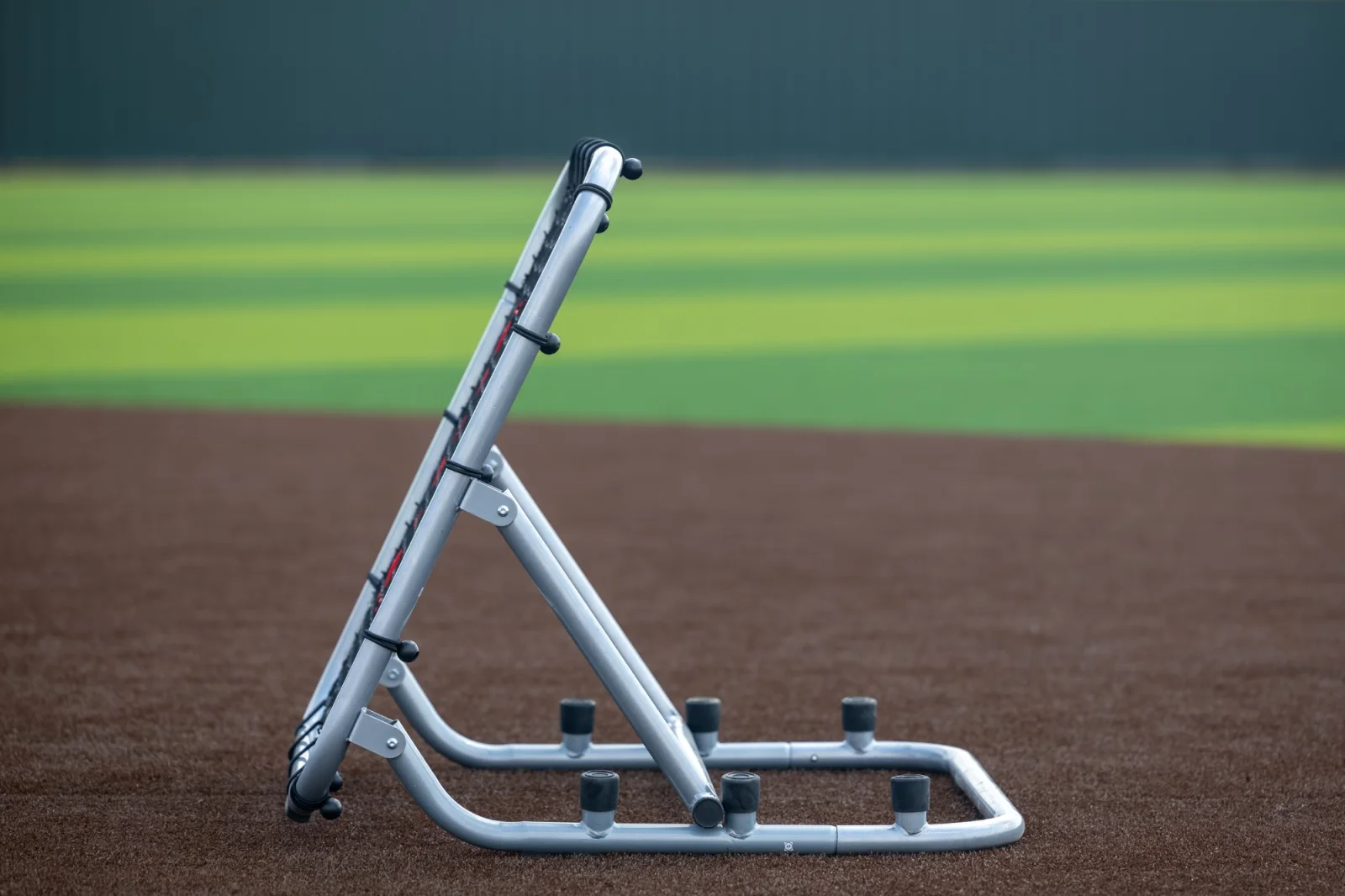
American Baseball & Softball product session
On-location product photography for training equipment, shot where the gear is actually used.

AceSportz — sports equipment store
A high-contrast storefront built around a flagship product line.
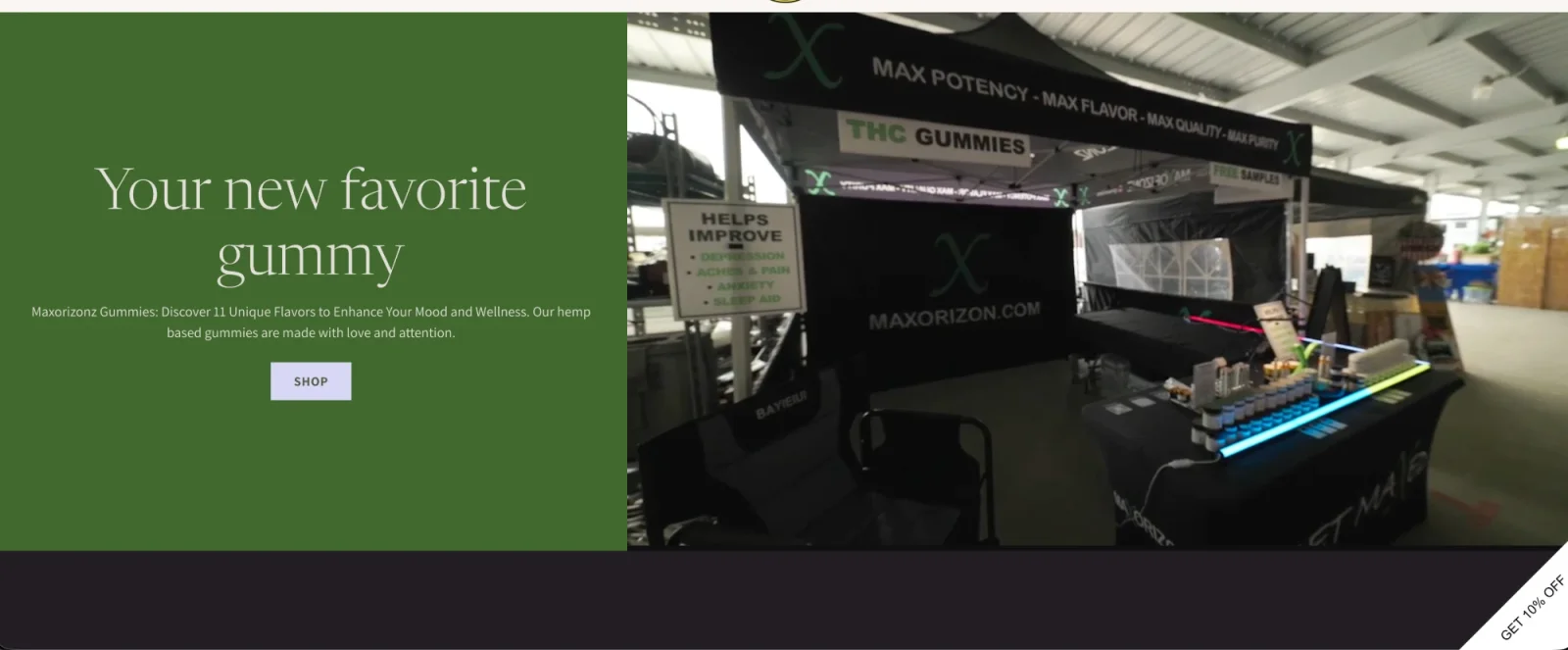
Maxorizonz — hemp wellness storefront
A DTC storefront for a regulated product category.
Questions we get from this market
Can you shoot on location rather than in a studio?
It is usually the better choice. A batting screen on a ball field tells a coach more than the same screen on white, because context communicates scale.
Do you handle the store as well as the photography?
Yes, and doing both is the point—photography that arrives in the right crops saves a round of rework on every product launch.
What about regulated categories?
We build in regulated categories already. Clarity and compliance matter more than volume of copy, and we scope with that in mind.
Can the same imagery run in paid campaigns?
That is how we plan the shot list—storefront crops and ad crops come out of the same session rather than a second booking.
Launching or relaunching?
Tell us what you sell and where it is sold. We will scope the photography and the storefront together.